


According to UMaine’s Office of Research Administration, in just the past decade, DoD investment at the university has shot up 700 percent—up from ~$8,200,000 in FY 2017 to nearly $66,000,000 in FY 2025. The University of Maine is an...
Category - Vol27-2 Political Economy of Science

Now more than ever there is a need to understand science, data, and knowledge as products of historically contingent political and economic interests and arrangements.
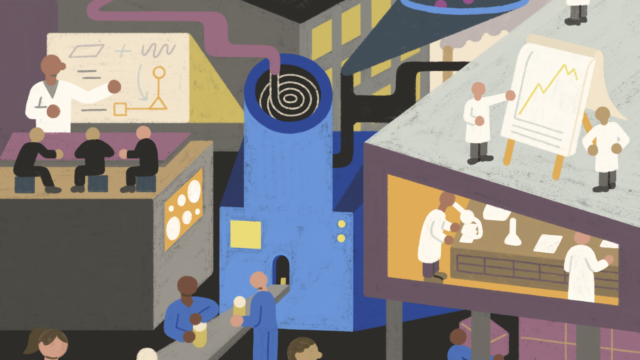
Science plays a central role as it generates the knowledge needed for technical changes. It is not simply a tool at the service of individual capitals, but an enabler of the global process of capital accumulation.

To make OIST into an institution that truly values all its workers and serves Okinawa, radical reforms are needed. To achieve them, scientists must dismantle their own positions as a detached elite, earning wider public support and...

Universities promoting Open Science operate in a clear contradiction; they call for global knowledge sharing while funding the destruction of knowledge systems in the Global South.
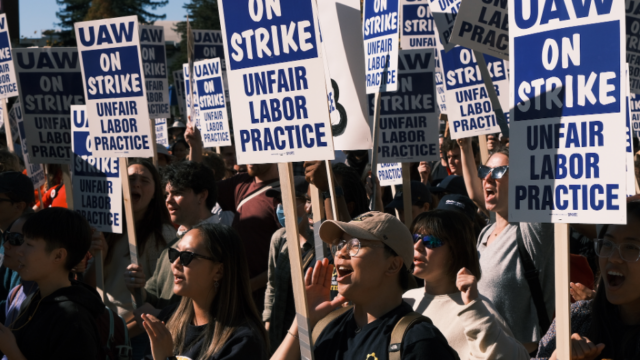
The recent and explosive wave of unionization drives demonstrates that the scientific workforce is recognizing its collective power. The strategic advantage of scientific labor—its inherently collaborative and interdependent nature—is...

Ending biopiracy requires more than financial redistribution. It requires legal and epistemic justice, i.e., implementing prior informed consent, enforcing traceability for DSI, and ensuring that communities themselves govern access to...