

December 31, 2025
Science for the People seeks proposals for articles, art, and other content for the upcoming issue on public health (Volume 27, no. 3).
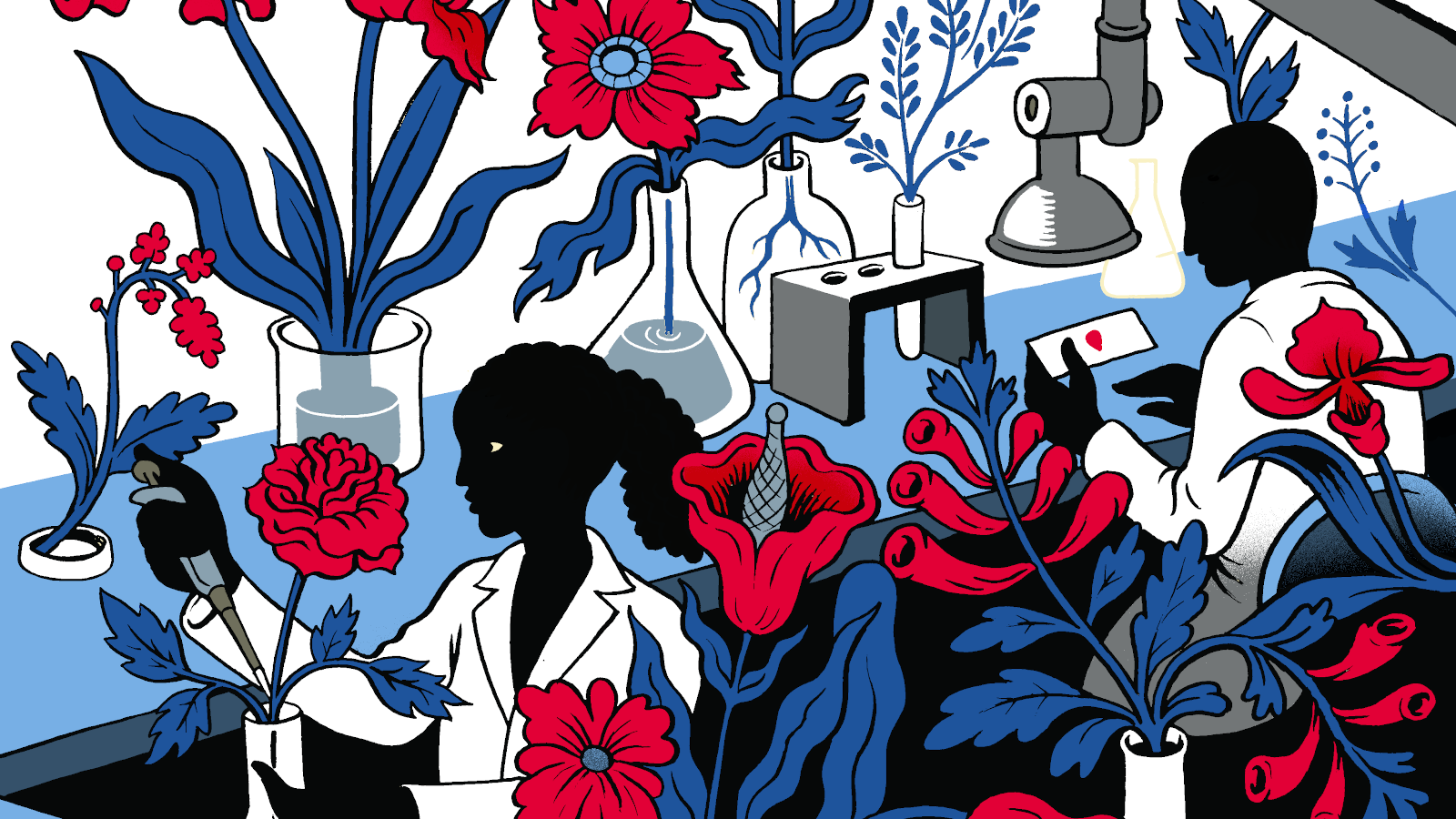
Decades of austerity have dismantled already fragile and unequal global public health systems. This has laid the groundwork for an ongoing reversal of public health achievements, from the resurgence of vaccine-preventable diseases and retraction of reproductive rights to widening global vaccine inequity, the accelerating crisis of antimicrobial resistance, unsafe and degrading living environments, and the rapid epidemiological transition toward non-communicable diseases. Transnational ruling-class control and state-corporate alliances have systematically eroded proven advances in science and medicine, widening the chasms in a fractured system of hobbled government agencies, ineffectual nonprofit sectors, and market actors, all subservient to monopoly capital. Global public health infrastructure is embedded within longstanding imperialist projects bolstered through the language of development, humanitarianism, and modernization, even as the United States is withdrawing from medical aid programs around the world. These dynamics are most starkly visible in places such as Gaza, where imperialist destruction of healthcare systems is part and parcel of genocide.
Public health is not merely a series of institutions: it is a set of values underpinning those institutions, as well as labor comprising care workers, scientists, technicians, community health workers, educators, and regulators whose work is subordinated to capital, managerial control, and political repression. Historically, Indigenous communities and progressive movements have organized around these conditions—housing, healthcare, environmental justice, workplace safety and broader social welfare benefits. Importantly, these organizing efforts have been embedded into broader anti-colonial struggles over reproduction, the natural and built environment, and work.
In this issue of Science for the People magazine, we seek critical analyses that trace the historical roots of our current public health crisis, highlight contemporary struggles to organize around public and environmental health, and question current public health structures, approaches, and ideologies.
We invite pieces that examine the global political economy of public health, including how local ruling classes, right-wing governments, and transnational capital collaborate to dismantle public health systems and values. We also welcome analyses that illustrate alternative pathways to subvert the crises created by these systems, examining how support is being built by communities and collectives outside of crumbling and privatizing enterprises. As these dynamics affect communities worldwide, we aim to prioritize experiences, concerns, and case studies from the Global Majority. Crucially, although we recognize the critical inflection point brought about by the Trump administration’s most recent wave of attacks on public health, the response should not be a defense of the status quo as it had existed in the pre-Trump era of American soft power and reputation-laundering through imperial aid projects.
We welcome submissions related to the following topics:
- Global political economy of public health, examining how economic infrastructures such as monopoly capitalism, philanthrocapitalism, and NGOs shape contemporary public health practice.
- Imperialism, militarism, and the weaponization of public health, analysing how public health and healthcare infrastructures are used as tools of war, occupation, repression, xenophobia, and social control, including propaganda, humanitarian cover, and the production of consent.
- Labor, class, and proletarianization of public health, with critiques on educational credentialing and training systems as tools of labor discipline, public health labor under privatization, deskilling, surveillance, managerialism, and repression, including labor resistance and organizing.
- Austerity and institutional dismantling, including the defunding of regulatory, research, and healthcare delivery systems and the downstream effects on health, labor, and knowledge production.
- Public health emergencies, disaster governance and disaster capitalism analyzing how pandemics, natural and human-caused disasters are leveraged to restructure institutions, discipline populations, and reorganize care.
- Public health consequences of climate change, extractive economies, fossil capital, and corporate-funded climate denialism, including environmental racism, ecological breakdown, and ecocide.
- Ideologies of public health, historical and contemporary analyses of who sets dominant public health ideologies around health individualism, vaccines, gender, reproductive health, and coercive health governance.
- Suppression and control of science, including censorship, defunding, and repression of scientific research as strategies to undermine collective knowledge production, and consolidate political control over public health narratives.
- Displacement, borders, and structural violence, public health impacts of mass displacement among refugees, migrants, and asylum seekers under war, occupation, climate collapse, and border regimes.
- Ethics, mandates, and state coercion, examined through class power and the uneven burdens imposed on workers, and marginalized communities.
- Collective resistance and alternative public health models, including health social movements, mutual aid, community-led care, and publicly organized health systems that resist market logics and point toward collective, non-capitalist futures for public health.
Submission Guidelines:
Submit proposals here.
Deadline for submissions: January 31, 2026
- We ask prospective authors to provide a detailed outline.
- We accept proposals for features, opinions, book and media reviews, artwork and more. You can read more about the kinds of articles we publish and our rates here.
- Please keep outlines under one page and image uploads to 20 Mb total.
- Science for the People articles are geared toward non-specialists, and are written in a journalistic format and from a radical perspective. We consider submissions from scientists across the STEM fields, scholars working in science and technology studies, as well as non-scientists and non-specialists. We especially encourage submissions from activists and those organizing in the sciences, and those working in the humanities and arts at their intersection of science and technology. We particularly welcome women, people of color, non-binary individuals, and others traditionally underrepresented in these fields to send submissions to Science for the People.