


Dr. Víctor Penchaszadeh played a crucial role in connecting the Abuelas de Plaza de Mayo with scientists such as Mary-Claire King to develop the index of grandparentage and forging the international networks that sustained what would...
Author - Editor

The partnership between the UNHCR, the UN World Food Programme (WFP), and the biometric firm IrisGuard, exemplifies technocolonialism. IrisGuard’s technological innovation is being fueled by the exploitation of refugees and forcibly...

Drawing on lessons from the US-Mexico Corn War, we examine how the political economy of knowledge—or rather the ways in which history and society mold the material foundations of the production of knowledge—shapes global agricultural...

In an age where Big Tech appears to come up with new ingenious methods for oppressing people, distrust of all forms of technology is a natural reaction. However, are we condemned to wear chains which we forged ourselves? Or can we build...
Today, data centers, AI research platforms, and education technologies continue to capture the collective intelligence of researchers, teachers, and students, transforming our cooperation into proprietary infrastructure. AI’s progress is...
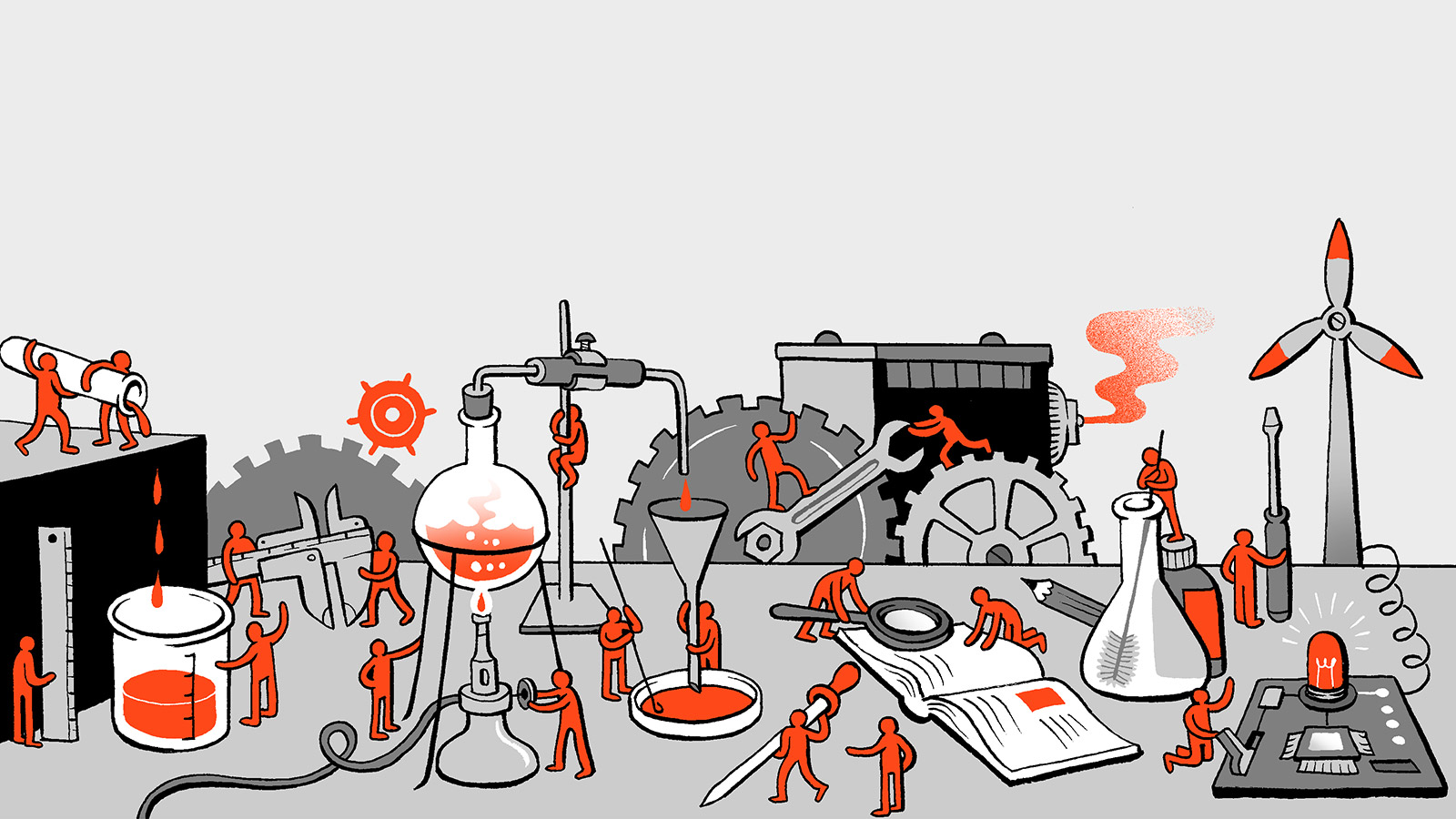
Organizing reports from Boston, UK, and Zurich chapters.
Science is an integral part of economic production, so it is crucial that we investigate the social function of science through a political economic perspective. Science, contrary to the popular misconception of its purity and neutrality...

The dozens of people whose dedicated work made Volume 27, no. 1 a reality.
The shortcomings of how society currently organizes science are plain to see. The solution is more elusive. To chart our way forward, we must first understand how knowledge is produced under capitalism.

Scientific publishing functions less as a service to science and more as a feudal rent extraction system. Publishers act as gatekeepers of recognition and career advancement, while universities and funding bodies reinforce the dynamic by...