

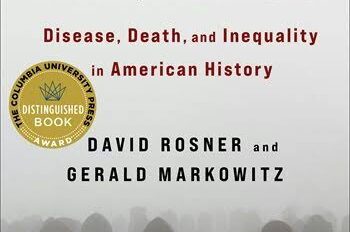
In the words of the public health scholars and historians David Rosner and Gerald Markowitz, we are all in worlds that kill some of us.
Author - Editor
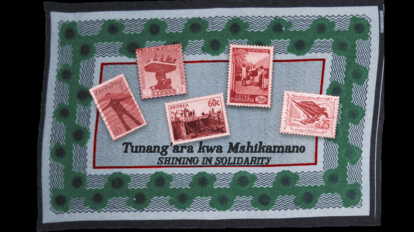
For fifty-one days from June to August 2024, and again over the same months in 2025, groups of young public health workers in Nairobi did protest epidemiology: a mobilization of public health tools for the explicit advancement of mass...
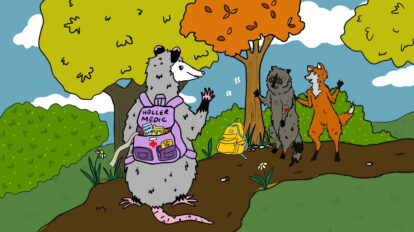
Insurgent medicine in Appalachia is born out of direct confrontations with a carceral healthcare system. It embodies autonomous, community-led care that refuses institutional control and sustains community survival across life experiences...
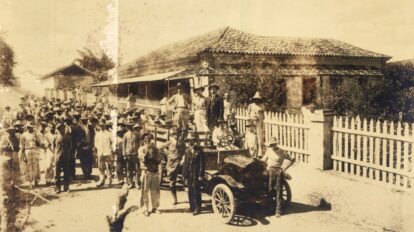
How can the history of the Brazilian anti-asylum struggle inspire models of deinstitutionalization that avoid extractive abandonment, and how can the radicalism of workers’ and patients’ movements continue to shape this struggle?

It is not whether robots can perform certain functions, but why technological fixes are prioritized over rebuilding care as a collectively financed and democratically governed public infrastructure.

Humanitarian aid flows sustain life at a minimum and manages Palestinians as permanent humanitarian cases while foreclosing self-determination. The article explores how this operates through what we term humanitarian Zionism in Gaza: an...

My book Why Black People Die Sooner begins by explaining that the small genetic differences that exist between African and European Americans could not possibly explain the magnitude of the health and longevity disparities that have...
Organizing reports from the Western Mass, Chicago, and the Agitprop Subcommittee.

The systems and tools for delivering public health interventions like vaccination programs are so well-codified that public health as a practice has become synonymous with public health as an institution.
The dozens of people whose dedicated work made Volume 27, no. 3 a reality.